Looking for a permanent and secure or reliable herbal cure to permanently remove the herpes HSV totally from the body and getting a better life back out from all kind of sexually transmitted disease? Then i advice you to get in touch with Dr Obudu and i promise your life will change for good, contact his Email via: drobuduherbalhome@gmail. com also via WhatsApp +2349023428871 also visit his website https://drobuduherbalhome.wixsite.com/welcometoobuduherbal
The Cinnamon bark was o.k.
I ordered several different spices and felt they must be old or not stored well because they did not have the potency fresh spices should.
The Cinnamon bark was o.k.
I ordered several different spices and felt they must be old or not stored well because they did not have the potency fresh spices should.
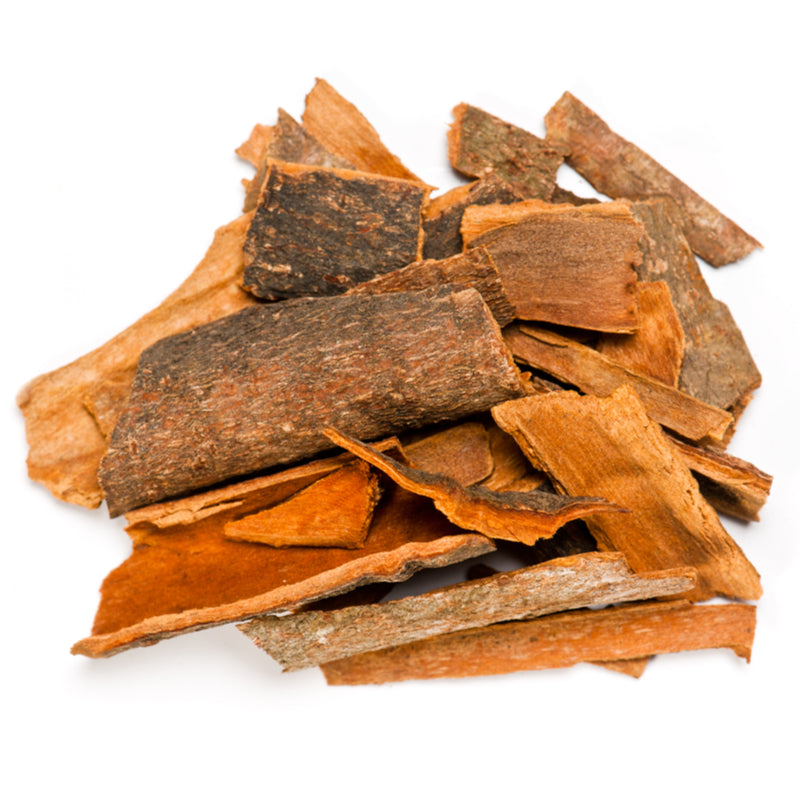
Indian Cinnamon Bark | Robust Cassia Sticks for Curries & Slow Cooking
The backbone of Indian cuisine. Indian cinnamon bark (cassia) delivers warm, robust flavor that holds up to long cooking times and bold spices. These thick, sturdy bark pieces are essential for biryani, curries, and any dish that needs cinnamon's warmth without delicacy.
Essential for authentic Indian cooking and garam masala
• Brooklyn • Manhattan • East Village •
🍛
Perfect for Curry
🍚
Biryani Essential
⏰
Slow Cook Ready
💪
Bold Flavor
👨🍳
Flavor Profile
Cinnamomum cassia (Indian)
Warm, robust, and slightly bitter
Spicy with woody undertones
Less sweet than Ceylon
Holds up to long cooking
Blends well with savory spices
🍽️
Best For
Curries and kormas
Biryani and pulao rice
Garam masala blends
Chai and masala tea
Slow-braised meat dishes
How to Use Indian Cinnamon Bark
Biryani: Add 2-3 pieces to rice while layering for authentic flavor that infuses every grain
Curries: Fry in oil at the start with cumin and cardamom to bloom the aromatics
Garam masala: Toast and grind into your own spice blend for superior freshness
Masala chai: Simmer with tea, ginger, and cardamom for warming Indian tea
Braised meats: Add to lamb curry, goat stew, or any slow-cooked meat dish
Dal: Include in the tempering (tadka) for aromatic lentil dishes
OriginIndia
SpeciesCinnamomum cassia
FormWhole Bark Pieces
CharacterRobust, Warm, Savory
Best ForIndian Cuisine, Curries
Classic Pairings
Spice partners: Cumin, coriander, cardamom, cloves, bay leaves
Cooking tip: For maximum flavor, fry cinnamon bark in hot oil for 30 seconds until fragrant before adding other ingredients. This "blooms" the essential oils and releases deeper flavor into your dish.
Indian Cassia vs. Ceylon
Indian cassia is thicker, harder, and more robust—built for savory cooking and long simmering. Ceylon is thin, delicate, and sweet—ideal for baking and refined dishes. For authentic Indian cuisine, cassia is the traditional choice.